
Pool Maintenance: Why Hiring a Pro Beats DIY Every Time
Owning a pool is one of life’s great pleasures, until something goes wrong. A cloudy haze creeps into the water, the pump starts making a sound it definitely was not making last week, or you open the skimmer basket and discover something that defies easy description. At Aqua Bright Pool Service, we have spent years helping pool owners get their backyards back to beautiful, and the story we hear most often starts the same way: “I tried to handle it myself first.” That is not a knock on do-it-yourself ambition. It is just the reality that pools are more complex than they look from a lawn chair. The appeal of DIY pool maintenance is completely understandable.
There is an entire industry of YouTube tutorials, big-box store chemical kits, and weekend warrior forums that make balancing your water chemistry feel like a quick Saturday project. And occasionally, it is. But the gap between a routine skim and a genuinely healthy, safe pool is wider than most homeowners realize, and that gap tends to get expensive when shortcuts catch up.
The Chemistry Is More Complicated Than the Label Suggests
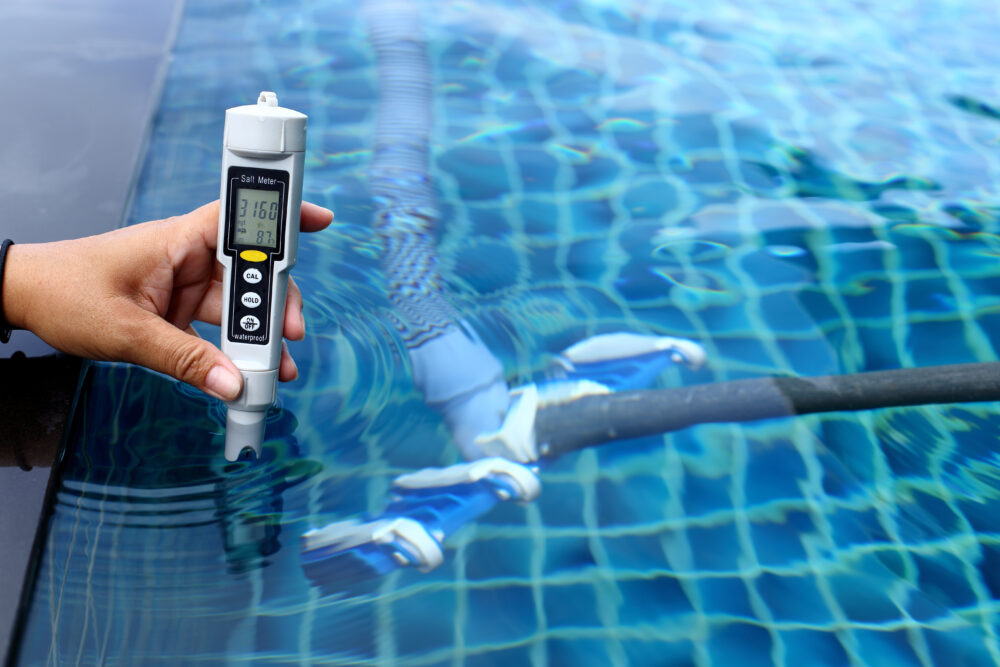
Pool water chemistry is a balancing act involving at least six measurable variables: pH, total alkalinity, calcium hardness, cyanuric acid, free chlorine, and total dissolved solids. These numbers do not operate independently. When your pH drifts, your chlorine loses effectiveness even when the levels appear fine on a basic test strip. When calcium hardness is too low, the water becomes aggressive and starts pulling minerals from your plaster, your grout, and your equipment. A 2022 study published by the Pool and Hot Tub Alliance found that improperly balanced water is the leading cause of premature pool surface degradation, costing homeowners an average of thousands of dollars in resurfacing costs that proper chemistry could have prevented.
Professional technicians test for all of these variables at every visit, not just the two or three that basic consumer kits cover. More importantly, they understand how to read the relationship between those numbers and adjust accordingly, rather than chasing one problem while accidentally creating another.
Equipment Maintenance Is Where DIY Gets Genuinely Risky
Pool equipment failures rarely announce themselves with dramatic flair. They tend to whisper, and most homeowners do not know what to listen for. A filter running slightly above its normal pressure range is easy to overlook. A pump seal that is beginning to fail looks fine until it does not. A heater with calcium buildup on its heat exchanger will keep working right up until it does not, at which point the repair bill often rivals the cost of a replacement unit.
What a Professional Actually Checks
Trained pool technicians do not just skim and add chlorine. During a standard service visit, a professional assesses pump motor performance and amperage draw, filter pressure and backwash cycles, return flow rates, heater operation and combustion safety, salt cell condition for saltwater systems, and automation system calibration. Each of these checks catches small problems before they compound. A filter cleaned at the right interval lasts significantly longer than one maintained by guesswork, and a pump caught running hot before it fails is far cheaper than an emergency replacement.
The Real Cost of Going It Alone
DIY pool maintenance often feels like the thrifty choice, and in the very short term, it can be. A jug of chlorine and a test kit costs far less than a monthly service contract. But research from HomeAdvisor consistently shows that pool owners who manage their own maintenance spend an average of 40 percent more over a five-year period when accounting for chemical overcorrections, accelerated equipment wear, and repair costs from missed early warnings. Professional service is not an expense. It is deferred savings.
There is also the matter of time. A proper weekly pool service takes a knowledgeable technician 30 to 45 minutes when the pool is well-maintained. For a homeowner without specialized training, the same tasks can take two to three hours, and still miss critical indicators that only come from experience.
When DIY Makes Sense (And When It Does Not)
Skimming leaves between service visits, rinsing off the pool deck, and checking the water level are all reasonable tasks for any pool owner to handle. These are cosmetic and straightforward. The moment a task involves chemical adjustment, equipment inspection, or anything related to water clarity or sanitation, the risk-to-reward ratio shifts decisively in favor of professional help. The complexity is not a sales pitch. It is simply how pools work.
Aqua Bright Pool Service offers routine maintenance plans designed to fit different pool types, sizes, and service needs, so your pool gets the right level of attention without paying for more than necessary. Our team treats every pool as if it were our own, because we know that for most families, the backyard is where the best summer memories get made. Reach out to Aqua Bright Pool Service today to schedule your first visit and see what a properly maintained pool really feels like.