
Your Pool Renovation Timeline: A Guide from Planning to First Swim
A cracked pool deck, faded plaster, or outdated tile might feel like a small cosmetic issue, but for most homeowners, the pool is the heart of the backyard. When it starts showing its age, the question isn’t just “how do we fix it?” but “how long is this going to take, and what are we actually getting into?” That uncertainty is one of the biggest reasons homeowners put off renovations longer than they should. Aqua Bright Pool Service has guided countless families through the pool renovation process and understands that clarity is just as important as craftsmanship. Knowing what to expect at each stage makes the entire experience smoother, less stressful, and a lot more exciting.
Pool renovation is rarely a single weekend project, and that’s actually a good thing. The steps involved, from planning and permitting through demolition, resurfacing, and final water chemistry balancing, each exist for a reason. Rushing any one of them can mean cutting corners that cost more to fix later. Research from the Pool & Hot Tub Alliance consistently shows that homeowners who invest in full-scope renovations rather than piecemeal repairs experience significantly higher satisfaction rates and longer intervals between maintenance cycles. The good news? When you understand the process, you stop dreading the timeline and start appreciating it.
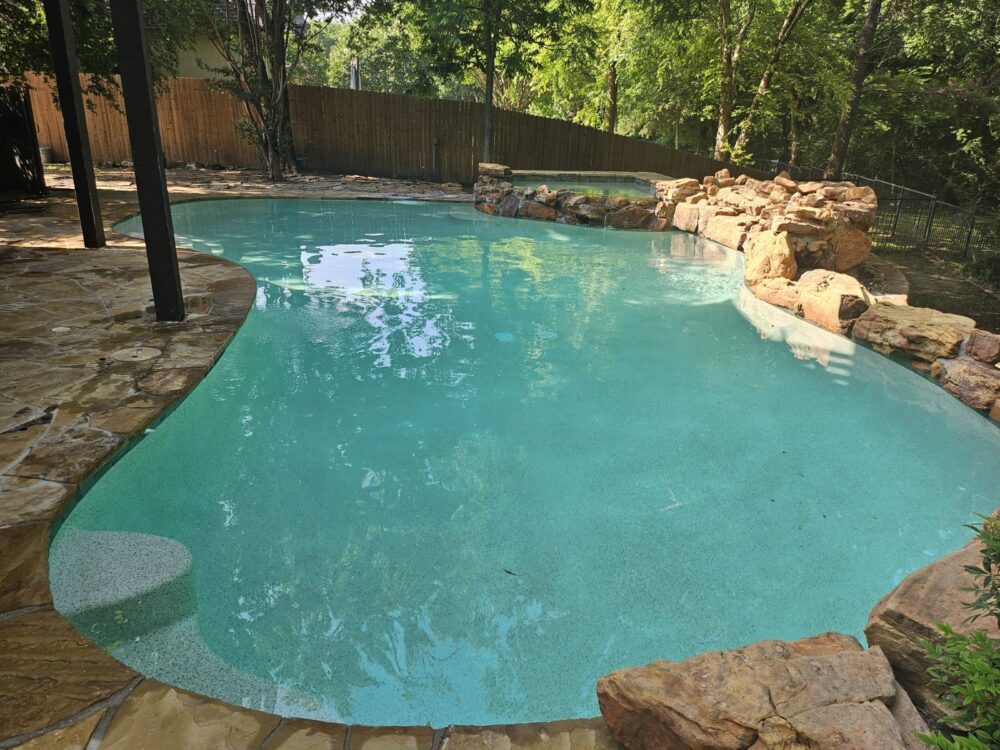
The Planning Phase: Where Every Successful Renovation Begins
Before a single tool is lifted, the most important work happens in conversation. A thorough assessment of your pool’s current condition helps identify not just the visible issues but the hidden ones. Structural integrity, plumbing performance, equipment efficiency, and surface wear all factor into a complete renovation scope. Skipping this diagnostic step is like repainting a house without checking for termites, it might look great for a while, but the foundation is still working against you.
During this phase, you’ll also make decisions about upgrades. Many homeowners use renovation as an opportunity to add energy-efficient equipment, LED lighting, or updated water features. These decisions are best made before the project begins rather than mid-renovation, when changes can extend timelines and increase costs significantly.
Permits and Approvals
Depending on the scope of your renovation, local permits may be required, particularly if you’re making structural changes, adding equipment, or modifying the pool’s footprint. This step often surprises homeowners because it’s easy to overlook, but a reputable pool service company will handle permit acquisition as part of the process. Attempting to skip this step can result in fines or required demolition of completed work, neither of which anyone wants.
The Renovation Phase: Progress You Can See and Feel
Once permits are secured and materials are ordered, the physical transformation begins. Existing surfaces are removed, plumbing is inspected and repaired as needed, and the structure is prepped for new finishes. This phase can feel a bit disruptive because your backyard is temporarily under construction, but it’s also where you start to see the potential of what’s coming.
Surface Application and Feature Installation
Resurfacing is one of the most transformative parts of any pool renovation. Whether you choose traditional plaster, quartz aggregate, or pebble finishes, this stage dramatically changes the look and feel of your pool. Equipment installation, tile work, and any new water features are also completed during this phase. Skilled crews work in a carefully sequenced order to make sure each component is installed correctly before the next phase begins.
The Startup and Cure Period
Here’s the phase many homeowners don’t anticipate: after the physical work is complete, your pool needs time to cure and balance. New plaster, in particular, requires a startup process that involves carefully managed water chemistry over a period of weeks. This isn’t optional, it’s essential. Rushing startup chemistry is one of the leading causes of premature surface deterioration and discoloration. A professional team will guide you through this process and monitor your water closely to protect your investment.
What Impacts Your Renovation Timeline
Several factors can affect how long your renovation takes, and most of them are worth understanding upfront. Permit processing times vary by municipality. Weather conditions can delay exterior work. Material availability fluctuates, especially for specialty finishes or custom tile. And the scope of your project, whether you’re doing a surface refresh or a full structural overhaul, plays the biggest role of all. A transparent contractor will give you realistic expectations from the start rather than overpromising and underdelivering.
What You Gain at the End
A completed pool renovation isn’t just about aesthetics, though the visual transformation is genuinely remarkable. It’s about functionality, safety, and long-term value. Updated equipment runs more efficiently, reducing energy costs. New surfaces are easier to maintain and resist algae buildup more effectively. And perhaps most importantly, your pool becomes a space your family actually wants to use again.
When you’re ready to take that first step, Aqua Bright Pool Service is here to walk you through every phase with honesty, expertise, and care. Reach out today to schedule your consultation and start turning that worn-out pool into something worth diving into.