
Pool Myths Debunked: Acid Washing Edition
At Aqua Bright Pool Service, we hear a lot of things from pool owners who come to us frustrated, confused, or simply misled by advice they found online or received from a well-meaning neighbor. Acid washing is one of the most misunderstood maintenance procedures in the entire world of pool care, and the myths surrounding it have caused homeowners to either panic unnecessarily or avoid a treatment their pool genuinely needs. The good news is that separating fact from fiction is a lot simpler than you might think.
The primary concern we hear most often is some variation of this: “Won’t acid washing destroy my pool?” That fear is understandable. The word “acid” carries a certain weight, and when it’s attached to a service that involves your backyard investment, skepticism feels like the safe response. But fear built on misinformation rarely leads to good decisions. What follows is a straightforward look at the most common acid-washing myths we encounter, and what the reality actually looks like.
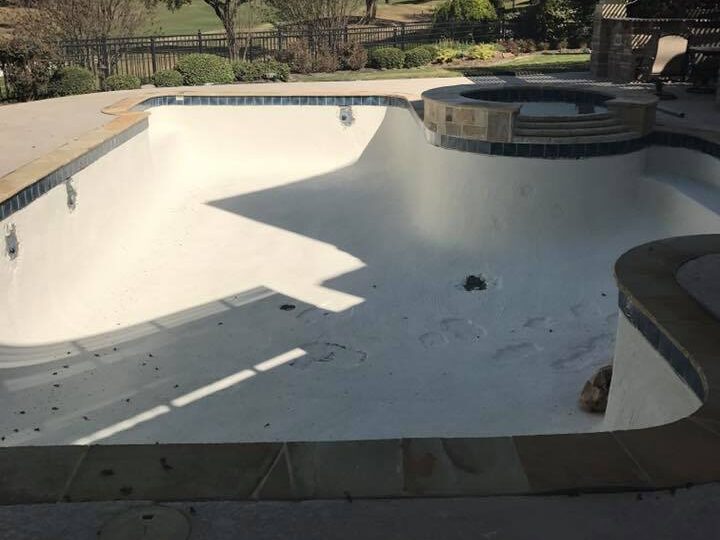
The Myth That Acid Washing Is Always Too Harsh for Your Pool’s Surface
This is probably the most persistent misconception in pool maintenance. Many homeowners believe that acid washing is an aggressive, surface-destroying process that should only be used as a last resort. The truth is that when performed correctly by a trained professional, acid washing is a controlled, measured process. The solution used is a diluted muriatic acid mixture, not the concentrated industrial compound the word “acid” might conjure in your mind. A proper acid wash removes years of built-up algae, mineral staining, and organic matter from your pool’s plaster surface without causing meaningful erosion when done at the right frequency. Pools that are acid washed responsibly, typically every three to five years depending on water chemistry and usage, maintain their surfaces quite well over the long term.
The Myth That You Can Skip Acid Washing If the Pool Looks Clean Enough
Visual clarity is one of the most misleading metrics in pool care. A pool can appear reasonably clear on the surface while harboring deeply embedded algae spores, calcium scale deposits, and metal staining in the plaster itself. These are problems that standard chlorination and routine brushing simply cannot resolve. When a pool has been through a prolonged algae outbreak, or when the water has been left untreated for an extended period, the contamination goes below the surface layer in ways that shock treatments and algaecides cannot reach. Acid washing is specifically designed to strip away that compromised top layer of plaster and expose the clean surface beneath. Skipping it when it’s genuinely needed doesn’t save your pool. It delays a more serious and more expensive problem.
The Myth That Draining Your Pool for Acid Wash Always Damages the Shell
There is a grain of truth here that has been stretched far beyond its context. Yes, leaving a pool empty for prolonged periods, especially in areas with high groundwater pressure, can cause what is called “floating” or shell damage. However, professional acid washing involves a controlled drain, a prompt treatment process, and a refill done efficiently to minimize any risk. The concern about pool shell damage from draining applies to pools left empty for days or weeks without proper assessment, not to pools managed through a professional service that understands the structural and environmental variables involved.
The Myth That Acid Cleaning Is a DIY Job Anyone Can Handle
We genuinely appreciate the can-do spirit, and there are many pool maintenance tasks that confident homeowners can absolutely take on themselves. Acid washing is not one of them. The process involves handling diluted muriatic acid, which requires proper protective equipment, careful mixing ratios, and precise technique to avoid uneven etching, surface damage, or personal injury. Beyond the physical handling, a professional brings diagnostic knowledge to the job. Knowing whether your pool actually needs an acid wash versus a less invasive treatment like a no-drain acid wash or an enzyme treatment is itself a skill built from experience. Misdiagnosing the situation is where the real costs tend to accumulate.
The Myth That Any Staining Means You Need an Acid Wash
Staining is one of the most common reasons pool owners call us, and it’s also one of the areas where we most frequently help people avoid unnecessary treatments. Not every stain requires an acid wash. Metal stains from copper or iron, for example, often respond to ascorbic acid treatments and proper sequestrant chemistry without any need to drain the pool at all. Organic stains from leaves and debris frequently respond to targeted chemical treatments combined with good brushing technique. A professional evaluation to identify the stain type is almost always the right first step, and it can save you the cost and downtime of a full acid wash when a simpler solution will do the job just as well.
The best pool decisions are always informed ones. If you have questions about your pool’s condition, unusual staining, or whether acid washing is the right next step for your water, Aqua Bright Pool Service is here to walk you through it honestly and without pressure. Your pool deserves care built on facts, not fear. Contact us today to get started.