
Pool Stains Solved: How Acid Washing Restores Your Pool’s Shine
You step outside on a beautiful morning, coffee in hand, ready to enjoy your sparkling pool—only to find unsightly brown streaks along the waterline and mysterious purple blotches on the steps. Pool stains are more than just cosmetic nuisances. They signal underlying water chemistry issues that, left unaddressed, can lead to surface deterioration and costly repairs. At Aqua Bright Pool Service, we’ve seen firsthand how proper stain identification and professional acid washing can transform a discolored, embarrassing pool into the backyard oasis you deserve.
Understanding what’s causing those stains is the first step toward elimination. While surface cleaning and chemical adjustments handle everyday dirt, certain stubborn discolorations penetrate deep into your pool’s plaster or finish. That’s where acid washing becomes necessary—a powerful technique that literally strips away the top layer of your pool surface to reveal fresh, clean material underneath.
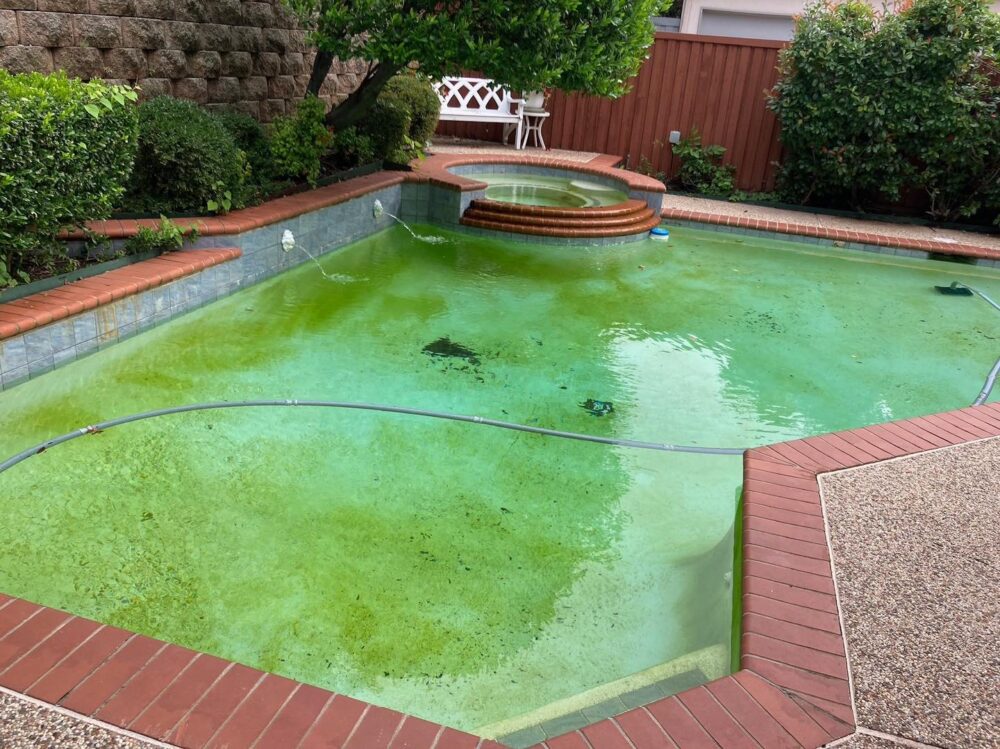
The Root Causes of Persistent Pool Stains
Most pool stains fall into three categories, each with distinct characteristics that help identify the culprit. Metallic stains appear when iron, copper, or manganese in your water oxidizes and bonds with the pool surface. Iron creates rusty brown or greenish-brown marks, typically appearing where water circulation is poorest. Copper generates blue-green or black stains, often introduced through copper-based algaecides or corroding pool equipment. Manganese leaves purple or dark brown spots that deepen over time.
Organic stains present differently. Leaves, twigs, berries, and even algae can leave green, brown, or yellowish marks when they decompose against your pool surface. These stains generally respond to chlorine shock treatments if caught early, but neglected organic matter can bond permanently with porous plaster surfaces.
Mineral staining occurs in areas with hard water or when calcium hardness levels climb too high. Calcium carbonate creates white or gray scaling that dulls your pool’s appearance, while calcium silicate produces harder, more stubborn white deposits that resist normal cleaning methods.
How Acid Washing Delivers Results
Acid washing employs a diluted muriatic acid solution to chemically dissolve the stained surface layer of your pool. The process removes approximately one-sixteenth of an inch of material—enough to eliminate deep stains without compromising structural integrity. When applied by trained professionals, the acid reacts with the alkaline pool surface, breaking down both the stain and the bonded material beneath it.
The transformation happens through controlled chemical etching. As the acid solution moves across the surface, it dissolves calcium deposits, oxidized metals, and embedded organic matter simultaneously. Within minutes, discolorations that resisted months of scrubbing simply vanish, revealing the clean plaster underneath. The technique proves particularly effective for pools with widespread staining that covers large surface areas, making spot treatments impractical.
Timing matters significantly. Pools should only undergo acid washing when completely drained, requiring careful planning around weather conditions and refilling logistics. The aggressive nature of muriatic acid also means this isn’t a DIY weekend project. Professional application ensures proper dilution ratios, adequate safety precautions, and even coverage that prevents new problems from developing.
Prevention Strategies After Restoration
Once acid washing restores your pool’s appearance, maintaining that pristine condition requires attention to water chemistry. Regular testing of pH, alkalinity, and calcium hardness prevents the conditions that cause staining. Metal sequestrants bind to dissolved metals before they can oxidize and deposit on surfaces. Proper filtration and circulation eliminate the dead zones where stains typically develop first.
Your pool’s water source also plays a role. If fill water contains high metal or mineral content, pre-treating it before adding to your pool prevents future staining episodes. Similarly, avoiding copper-based algaecides and monitoring equipment for corrosion cuts down on copper introduction.The investment in professional acid washing pays dividends beyond aesthetics.
A clean pool surface allows chemicals to work more efficiently, reduces the breeding grounds for algae, and extends the overall lifespan of your pool’s finish. When stains persist despite your best maintenance efforts, acid washing offers a reset button that brings your pool back to its original beauty—and keeps it there with proper ongoing care. Contact us today to get started on restoring your pool.